
Nipah virus (NiV) is an emerging, highly pathogenic zoonotic virus belonging to the family Paramyxoviridae, genus Henipavirus. The virus was first identified during outbreaks in Malaysia in 1998–1999 and has since caused sporadic and localized outbreaks in South and Southeast Asia. Fruit bats serve as the natural reservoir of NiV, and the virus can be transmitted to humans through direct or indirect contact, leading to severe respiratory illness and fatal encephalitis. Human infections are associated with a high case fatality rate, commonly ranging from 40% to 75%, placing Nipah virus among the priority pathogens identified by the World Health Organization.
Nipah virus is an enveloped, negative-sense single-stranded RNA virus with a genome of approximately 18.2 kb. The genome encodes six major structural proteins in the order N (nucleocapsid), P (phosphoprotein), M (matrix), F (fusion glycoprotein), G (attachment glycoprotein), and L (RNA-dependent RNA polymerase). The N, P, and L proteins form the viral replication and transcription complex, which is essential for genome encapsidation and RNA synthesis. The M protein plays a central role in virion assembly and budding, while the surface glycoproteins G and F mediate host cell recognition and membrane fusion, representing critical determinants of viral entry.
Morphologically, Nipah virus particles are pleomorphic, with diameters ranging from approximately 40 to 600 nm. The viral envelope is derived from the host cell membrane and is studded with virus-encoded glycoprotein spikes. The G glycoprotein binds to host cell receptors, primarily ephrin-B2 and ephrin-B3, thereby defining host range and tissue tropism. Following receptor engagement, the F glycoprotein undergoes proteolytic activation and conformational rearrangement to drive fusion between the viral envelope and the host cell membrane. Structural studies have demonstrated that the pre-fusion conformation of the F protein constitutes a major target for neutralizing antibodies and rational vaccine design.
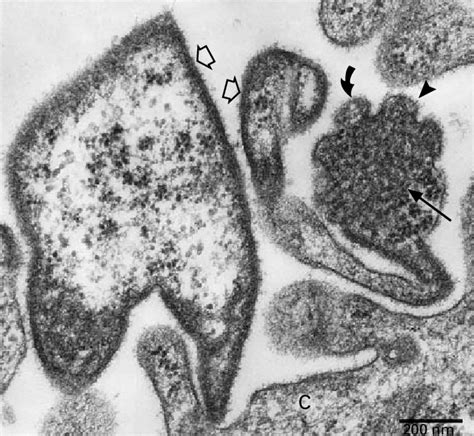
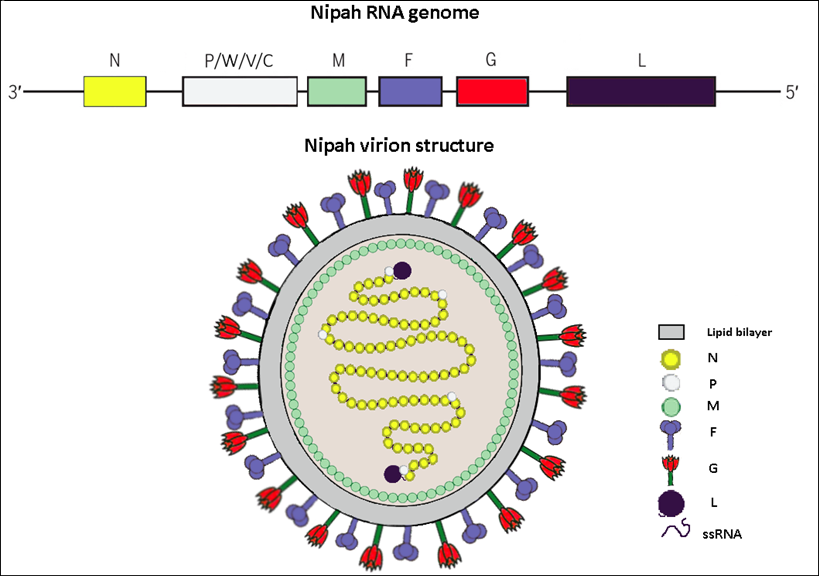
In addition to structural proteins, RNA editing of the P gene gives rise to several non-structural proteins, including the V and W proteins, which act as potent antagonists of host interferon signaling pathways. By suppressing innate immune responses, these proteins facilitate efficient viral replication and systemic spread, contributing significantly to the high pathogenicity of Nipah virus.
As a highly lethal virus with well-defined molecular targets, Nipah virus serves as an important model for studies on viral pathogenesis, immune evasion, and antiviral intervention. Comprehensive characterization of its structural and functional proteins provides a solid scientific foundation for the development of diagnostic reagents, vaccines, and therapeutic antibodies.
Our company offers a comprehensive portfolio of Nipah virus antigens and antibodies covering key structural and functional proteins to support basic research and translational applications.
Vicbio Biotechnology Co., Ltd. is an authorized distributor of Nebulabio, We offers a comprehensive portfolio of Nipah virus antigens and antibodies covering key structural and functional proteins to support basic research and translational applications:


